The iPhone 15 Lineup: A Spectrum of Choices Meets Software Controversy
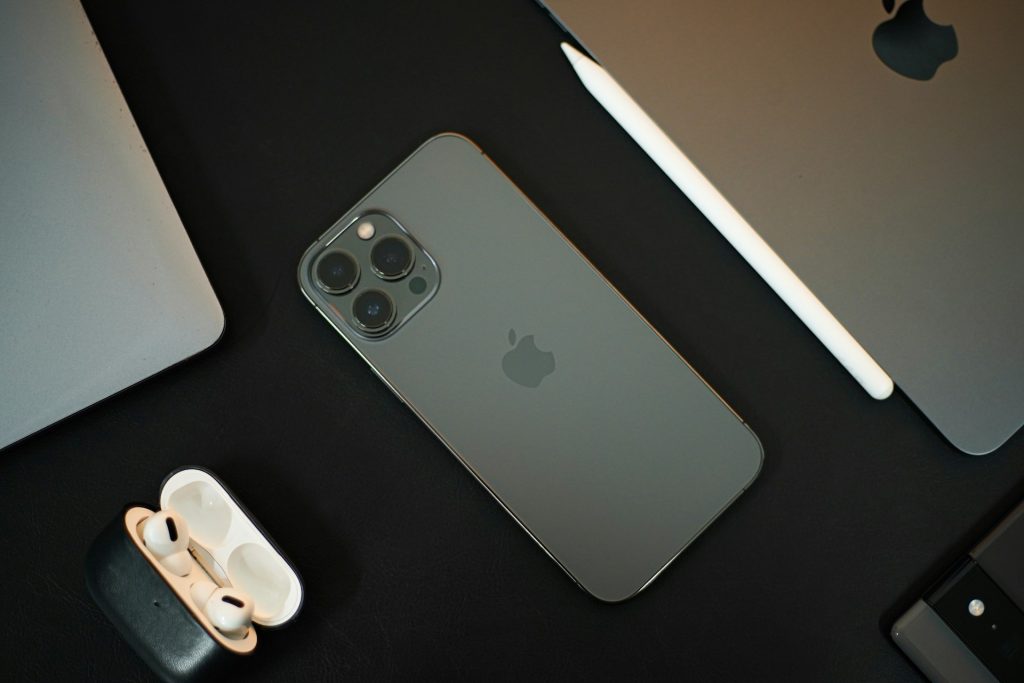
Apple’s 2023 flagship series, the iPhone 15, has officially arrived, bringing with it a refreshed palette of color options that distinguish the standard models from the high-end Pros. While the hardware design team focuses on aesthetics—introducing a polished new look and the debut of Titanium—the software division finds itself embroiled in a debate over user choice and security updates with the release of iOS 26.2.
Defining the Aesthetic: Standard vs. Pro
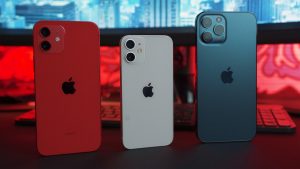
The latest lineup features four distinct models, split down the middle by Apple’s traditional branding strategy. The standard iPhone 15 and iPhone 15 Plus lean into a more youthful, vibrant aesthetic, while the iPhone 15 Pro and Pro Max adopt a serious, business-forward tone. This year, the differentiation is even more pronounced due to the introduction of Titanium on the Pro models, a material change that directly influences the available colorways.
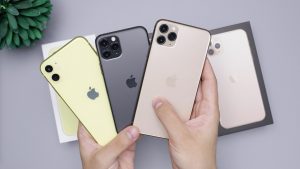
For those eyeing the base iPhone 15 or 15 Plus, Cupertino offers five color options: Black, Green, Yellow, Pink, and Blue. In contrast, the Pro series showcases the new metallic build with four sophisticated hues: Blue Titanium, Natural Titanium, Black Titanium, and White Titanium.
A Closer Look at the Standard Palette
Apple has opted for a “fresh” approach with the standard models, utilizing a dual ion exchange process to create a textured matte finish that feels premium to the touch. The result is a set of colors that manage to be colorful without looking cheap.
The much-anticipated Pink variant has arrived, though it defies the expectations of a hot pink flashy device. Instead, it is a subdued, light hue that resists fingerprint smudges while retaining a distinct character. It sits alongside a Green option that channels spring aesthetics—vibrant but not oversaturated, paired with a matching frame and logo for a cohesive look.
For traditionalists, the Black model remains a staple. Ideally suited for those who prefer their technology to blend in, the new textured matte finish gives the dark grey frame and black back an elevated, modern feel compared to previous iterations.
The Update Ultimatum
While consumers debate which color suits their style, a more technical controversy is brewing regarding the device’s operating system. Coinciding with recent hardware releases, Apple launched iOS 26.2 alongside a security patch for older systems, iOS 18.7.3. However, the distribution of these updates has drawn sharp criticism from users and industry observers alike.
Apple’s latest security bulletin lists over 20 resolved vulnerabilities, including two critical “zero-day” flaws in WebKit—the engine powering Safari. These vulnerabilities reportedly allow for sophisticated attacks against targeted individuals. While Apple has patched these holes, the company’s deployment strategy effectively forces owners of newer devices to upgrade to the latest operating system if they want to remain secure.
The “Forced” Upgrade Path
The core of the issue lies in availability. The standalone security update, iOS 18.7.3, is exclusively reserved for older hardware that cannot run iOS 26. Owners of newer devices, such as the iPhone 13 or the new iPhone 15, are not offered this isolated patch. Their only route to security is installing the full iOS 26.2 update.
Critics argue this feels like an ultimatum for users who prefer the stability or feature set of iOS 18. By withholding the security patch from newer devices, Apple leaves these users with a difficult choice: remain on a potentially vulnerable version (iOS 18.7.2) or accept an unwanted operating system overhaul. Reports confirm that previous workarounds, such as utilizing the Public Beta channel to access security updates while staying on an older OS, have been closed. Consequently, for many in the Apple ecosystem, the path forward is now mandatory, regardless of user preference.