Apple’s Safe Bets and Bold Bets: From the Iterative iPhone 14 to the Rumored Foldable
The smartphone market moves notoriously fast. One minute you are looking at the safe, heavily calculated hardware updates of the base iPhone 14, and the next, industry leaks about a revolutionary foldable Apple device are dominating the news cycle. To truly understand where Apple is heading with its upcoming hardware, you have to look closely at where the company currently stands.
Playing It Safe
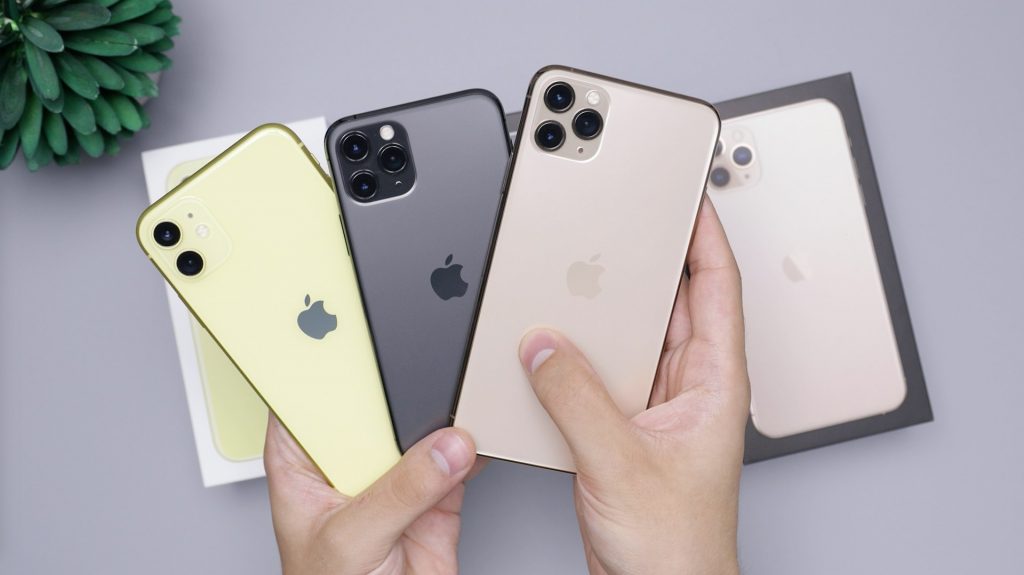
Apple played it incredibly safe with its 2022 lineup. Sitting in the $799 to $999 price range, the iPhone 14 acts as the most accessible entry in a four-device roster. The company notably ditched the ‘mini’ form factor entirely, replacing it with a larger 6.7-inch Plus model alongside the standard 14, the 120Hz Pro, and the massive Pro Max. Aesthetically, the base model is essentially an iPhone 13. You get the same aluminum frame sandwiched between Ceramic Shield glass, albeit with a slightly narrower notch and a marginally taller aspect ratio. Apple clearly kept its profit margins intact by reserving the dramatic design overhauls for the Pro tier. Aside from a striking new chameleonic blue color option, you would be hard-pressed to tell the exterior of the 14 apart from its predecessor.
Under the Hood and Behind the Lens
The real story of the iPhone 14 happens internally. Apple imported the A15 Bionic chip and its penta-core GPU directly from the older 13 Pro series, paired it with 6GB of RAM, and squeezed in a larger battery. They also seriously upgraded the phone’s connectivity. The device sports Bluetooth 5.3, a much more energy-efficient 6nm Qualcomm 5G modem manufactured by TSMC, and the highly publicized satellite connectivity for SOS messaging. Apple even threw in a new high-g accelerometer and HDR gyroscope to power a life-saving Crash Detection service.
The camera system is where you see the biggest leap. The setup features a new 12MP main sensor boasting a larger 1/1.65″ footprint and 1.9-micron pixels, alongside a revamped 12MP ultrawide lens. The front-facing camera also received a major upgrade, moving to a 12MP f/1.9 lens with autofocus. Throw in the new Photonic Engine for stellar low-light processing and 4K Cinematic mode shooting at 30fps, and the imaging capabilities are undeniably strong. Surprisingly, the device’s internal architecture was also quietly redesigned, making it vastly easier and cheaper to repair than previous generations.
Where the Base Model Stumbles
Still, the phone is not without its frustrating quirks. While we loved the bright display, improved dynamic range, and upgraded graphics subsystem, the hardware gap between the base 14 and the A16-equipped Pro models is simply too wide. The display calibration leaves a bit to be desired, and that imported penta-core GPU can sometimes be a serious battery hog. Our testing actually handed the iPhone 14 a 6.7 out of 10. That sounds unusually harsh, but it reflects PhoneArena’s new, stricter scoring system. The metric is designed to compare devices against class averages rather than highlighting a specific objective flaw in the phone itself.
The Next Frontier
If the iPhone 14 represents Apple coasting on a proven, iterative formula, the upcoming fall release schedule suggests the tech giant is finally ready to take a massive leap. Whispers in the industry heavily point to the debut of a brand new product category: the “iPhone Fold.” Foldable smartphones have been on the market for years now, but the crease—that notorious visible seam down the middle of the display—has always been the form factor’s technological Achilles’ heel. Naturally, Apple intends to set a completely new standard here.
Ironing Out the Crease
According to prominent leaker Fixed Focus Digital, Apple is collaborating directly with Samsung to develop a custom display panel that practically eliminates the fold line entirely. The depth of the crease is reportedly capped at under 0.15 millimeters. For context, that is thinner than two stacked sheets of paper. Furthermore, the fold angle sits at less than 2.5 degrees. A perfect zero would mean a completely flat sheet of glass, so a 2.5-degree resting curve is barely perceptible. Less depth and a tighter angle mean drastically reduced light refraction, making the seam look almost invisible and completely undetectable when swiping your finger across the interface.
A Major Engineering Feat
Benchmarking these specific numbers against the broader foldable market is tricky because manufacturers rarely use the same metrics to measure their screens. However, hitting that 0.15mm depth is something we usually only see on premium clamshell-style flip phones. Those devices have much smaller screens, making it significantly easier to distribute the mechanical stress of the hinge. If Apple has actually managed to achieve those same refined metrics on a much larger “book-style” foldable display, it represents a massive engineering breakthrough. The calculated, safe bets of the iPhone 14 era might just be funding the most radical iPhone redesign in the company’s history.