Apple’s Hardware Push Meets Android’s Software Catch-Up
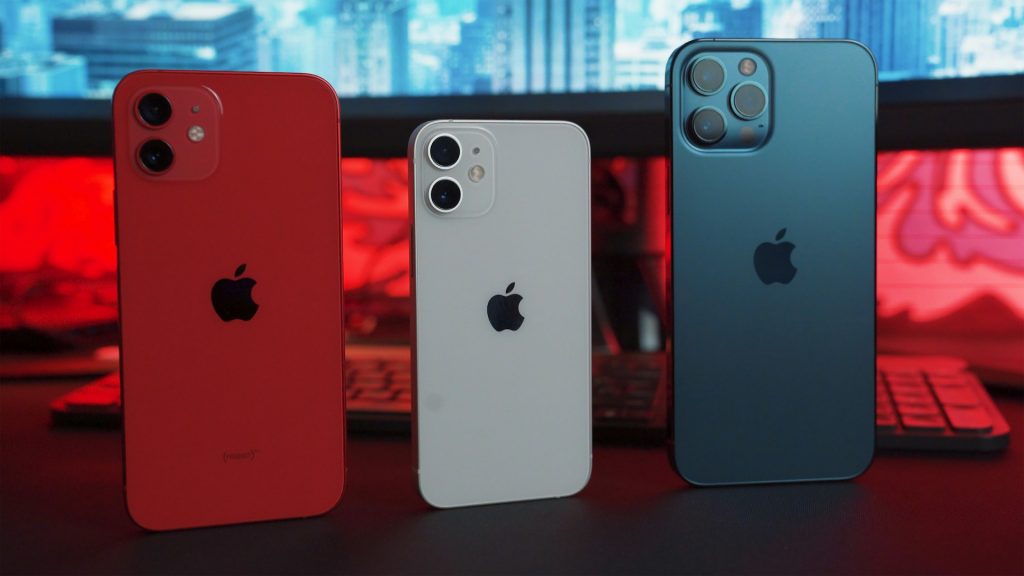
The smartphone landscape is seeing a massive wave of updates right now, driven by fresh hardware configurations from Apple and highly anticipated ecosystem improvements from Google. With the recent launch of the iPhone 17e, consumers have a much clearer picture of Apple’s current mobile strategy. At the exact same time, the Android camp is quietly developing a feature that will finally bridge a long-standing gap in wireless file sharing.
A Tale of Two Displays Apple officially expanded its current generation lineup with the release of the iPhone 17e on March 11, 2026, following the initial September 2025 launch of the standard iPhone 17. Looking closely at the displays, the differences are immediately apparent. The mainline iPhone 17 sports a 6.3-inch OLED screen with a buttery smooth 120Hz refresh rate and a blinding peak brightness of 3000 nits, all shielded by Gorilla Glass Ceramic 2. The newer 17e scales things back slightly to a 6.1-inch, 60Hz OLED panel that caps at 1200 nits and uses standard Ceramic Shield 2 protection. Both maintain virtually identical pixel densities around 457 PPI, ensuring incredibly sharp visuals across the board.
Under the Hood Despite the physical differences, both devices share the exact same brain. The 3nm Apple A19 hexa-core chip powers both phones, backed by 8GB of LPDDR5 RAM and running iOS 26. Storage options are strictly locked at 256GB and 512GB for both models, with no expandable storage available. Interestingly, hardware performance metrics show a remarkably tight race. The 17e actually pushed slightly ahead in GeekBench 6 multi-core tests with a score of 9054 against the 17’s 8798. However, the standard iPhone 17 absolutely dominates in graphical performance, hitting 5172 in 3D Mark High compared to the 17e’s 4004.
Cameras, Power, and Build Photography and battery life present the biggest tradeoffs between the two models. The iPhone 17 rocks a dual-camera setup, whereas the 17e relies on a single rear lens. Paradoxically, the smaller, lighter iPhone 17e packs a larger 4005 mAh battery compared to the 3692 mAh cell found in the standard 17. The mainline model makes up for this capacity difference with significantly faster charging speeds, supporting 40W wired and 25W wireless charging via Qi2 and MagSafe. The 17e is strictly limited to 20W wired and 15W wireless speeds. Both phones feature an aluminum frame, glass backs, 3D Face Unlock, and IP68 water and dust resistance. You can pick up the iPhone 17 starting at a base MSRP of $799, while the 17e offers a more accessible entry point at $599.
Android Prepares a Major Sharing Upgrade While Apple continues to heavily iterate on its hardware, the broader smartphone world is looking toward the next big software leap. Android users are finally going to get a seamless file-sharing experience that directly rivals what Apple fans have enjoyed for years. According to code discovered by Android Authority, Google and Samsung are currently collaborating on a brand-new “Tap to share” capability.
The Mechanics of Tap to Share This upcoming feature is designed to make transferring files completely effortless. Users will only need to physically hold two smartphones close together to instantly swap photos, documents, and other data. A brief physical proximity is enough to establish a highly secure handshake via NFC. Once the devices connect, the actual heavy lifting of the data transfer happens rapidly in the background over Quick Share.
Ecosystem Integration Initial traces of this technology surfaced in the code for Samsung’s One UI 8.5, and a leaked build of One UI 9 provided an even clearer look at the tap-to-send mechanics. Fortunately, this will not be locked exclusively to Samsung devices. Developer betas for Android 17 already contain deep references to the feature, pointing to a massive, system-wide rollout. Google clearly intends to bring this sharing standard to the entire Android ecosystem, effectively leveling the playing field between competing manufacturers. Industry watchers expect the functionality to be officially announced alongside the final release of Android 17 later this year.