The Tesla Blueprint: From SpaceX Synergies to FSD Rollouts in China
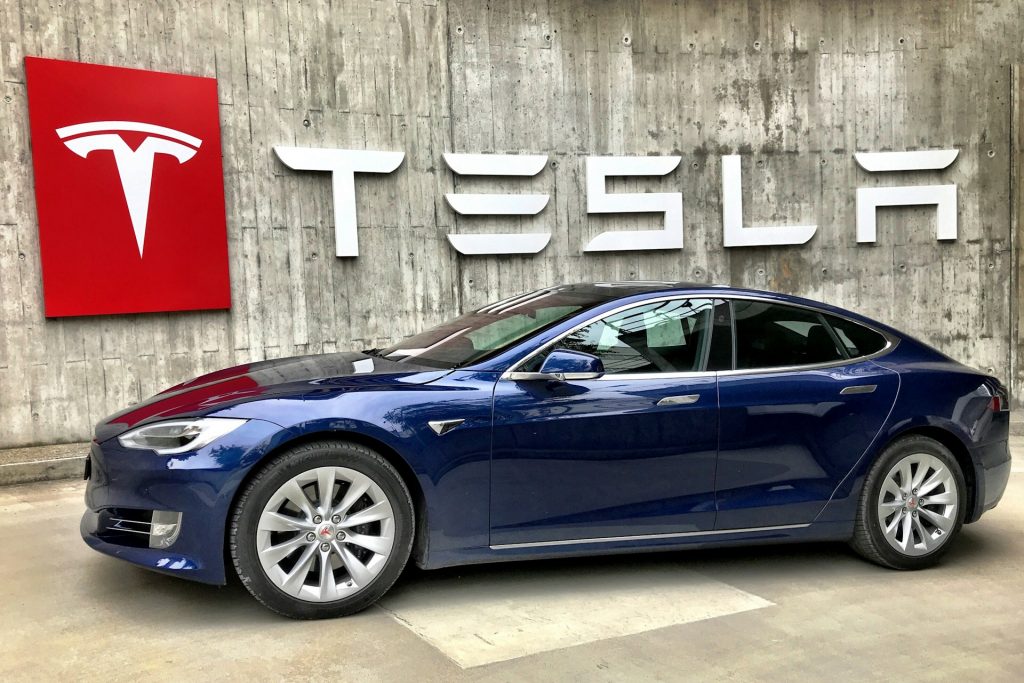
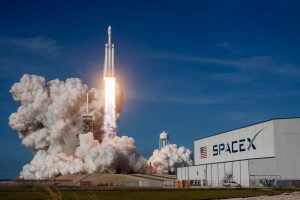
Tesla is largely known for churning out electric vehicles, but if you take a look under the hood of their financials, the operation is significantly more layered. Sure, selling cars still pays the bills—automotive sales make up the lion’s share of their net revenue at roughly 69.4%. But they’re also pulling in solid, diversified numbers from energy generation and storage systems (13.5%), along with another 13.2% from aftermarket services like maintenance and repair. What’s really fascinating lately, though, is the cross-pollination happening within Elon Musk’s corporate empire. Case in point: Tesla recently sold close to $890 million worth of EVs and battery tech straight to SpaceX. It’s a massive synergy play that underscores just how interconnected TSLA’s broader ecosystem has become, moving well beyond traditional retail sales.
But while hardware and energy keep the lights on, the real frontier for Tesla is autonomy. The automaker announced on Thursday via its official X account that its Supervised Full Self-Driving (FSD) package has finally touched down in China. This is a crucial move. The Chinese EV market is an absolute dogfight right now, with fierce competition between domestic upstarts and legacy foreign automakers fighting tooth and nail for market share. Dropping FSD into this mix gives Tesla a much-needed technological wedge to stay ahead of the pack.
Getting the green light in Beijing wasn’t exactly a walk in the park. Deploying advanced driver-assistance tech in China involves a delicate tightrope walk around highly sensitive local regulations concerning data security, user privacy, and high-definition mapping. Musk essentially had to play diplomat to get this over the finish line. During a surprise visit to Beijing in April 2024, he sat down with high-ranking government officials, including Premier Li Qiang. The masterstroke of that trip, however, was hammering out a strategic partnership with Chinese tech giant Baidu. By securing access to Baidu’s highly regulated navigation and mapping licenses, Tesla managed to clear the final major roadblock keeping their FSD infrastructure off Chinese streets.
The rollout isn’t strictly isolated to China, either. The company’s announcement confirmed that the service is currently live across a diverse patchwork of global territories, hitting the US, Canada, Mexico, Puerto Rico, Australia, New Zealand, South Korea, the Netherlands, and Lithuania. Still, it’s worth remembering the heavily emphasized “Supervised” caveat in the current branding. The software might be marketed as Full Self-Driving, but the person behind the wheel fundamentally has to pay attention and be ready to take over at a moment’s notice. Whether this aggressive global deployment will definitively cement Tesla’s dominance in the autonomy race or just open the door to a new era of regulatory friction is an open question.